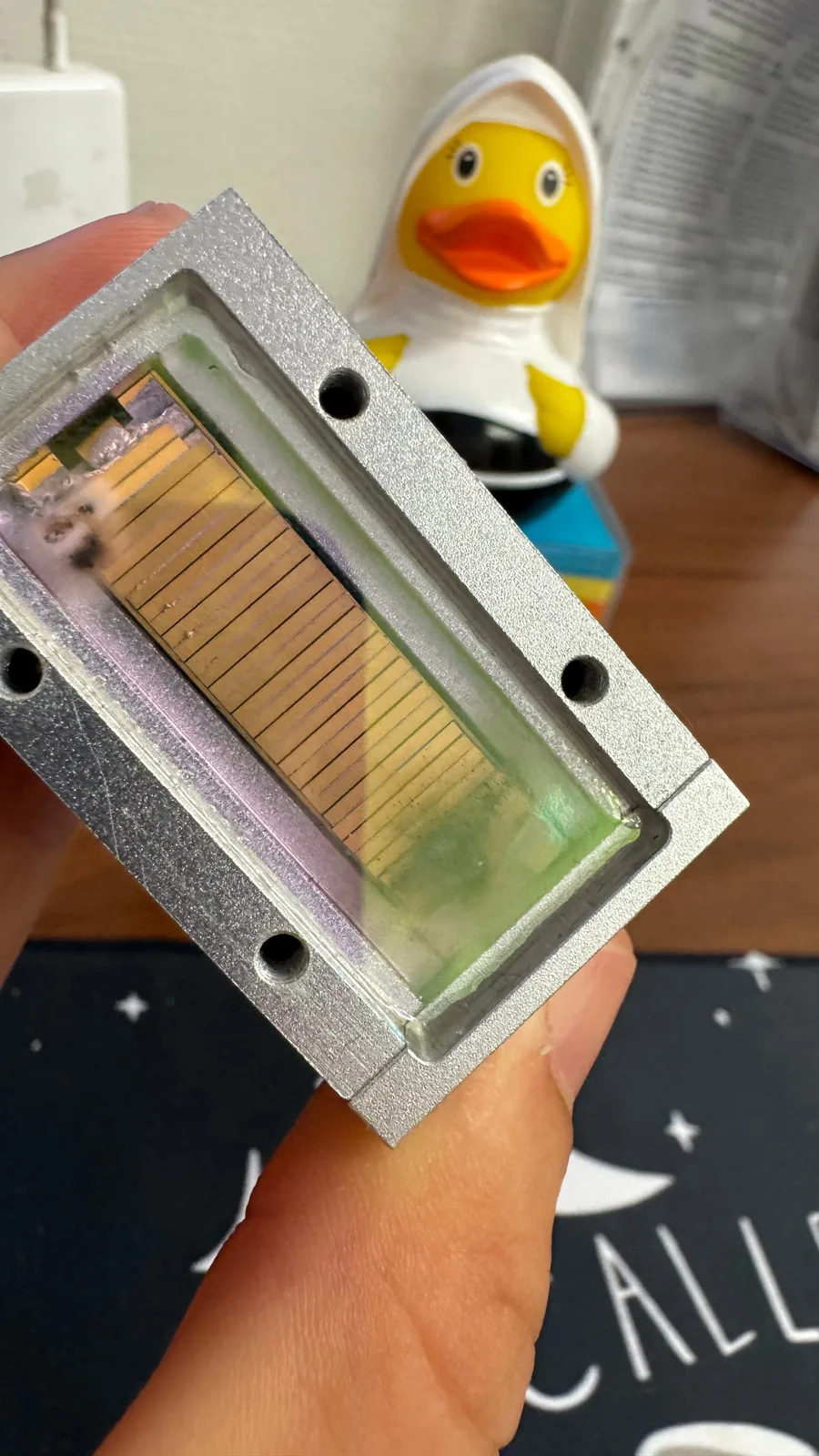
The diode is one of a hair removal laser’s most expensive components
In a professional hair removal laser, the diode module generates the energy used during treatment. It is a precision component exposed to substantial thermal loads.
It is also one of the laser’s most expensive assemblies. Damage can therefore cost much more than replacing routine consumable parts.
For a clinic owner, however, the part’s price is only one aspect. A laser is a working tool that earns income while performing treatments.
A diode module failure costs more than the repair bill. It also costs the income lost while the laser cannot operate.
Why do diode modules become damaged?
No single cause accounts for every diode module failure. The module forms part of a larger system, and its operating conditions depend on many other components.
Cooling is particularly important. During operation, diodes generate substantial heat that must be removed effectively.
If cooling begins to malfunction, the module’s operating temperature may rise.
Factors requiring checks include:
- restricted coolant flow,
- cooling system contamination,
- pump problems,
- inadequate heat dissipation,
- optical problems,
- power supply irregularities,
- device electronics problems,
- normal module wear.
The exact cause can only be established by diagnosing the individual device.
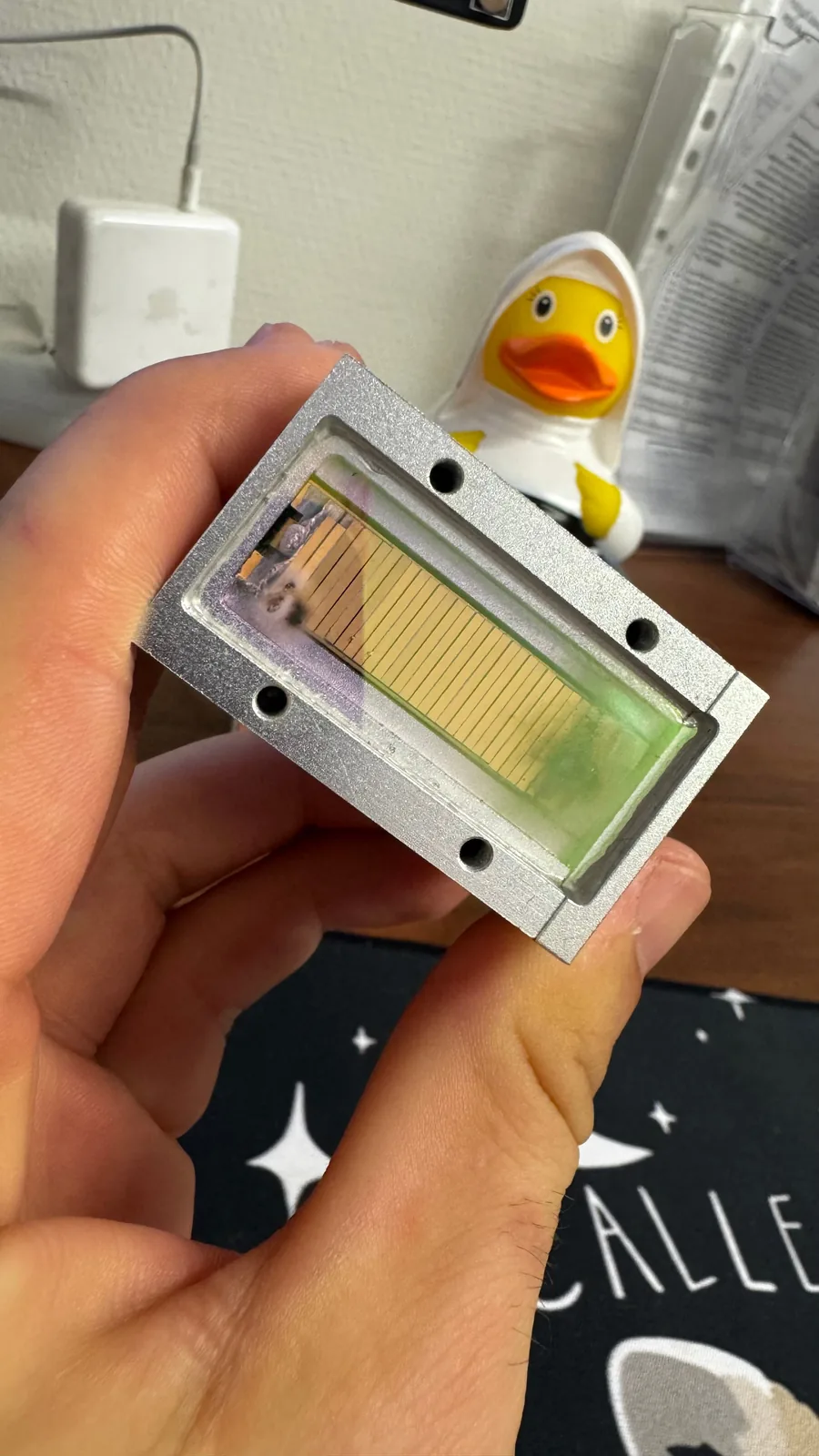
A laser often gives warning signs before a serious failure
A module does not always fail suddenly. Sometimes the behaviour of the whole device changes first.
The operator may notice unusual handpiece heating, rising cooling system temperature, flow problems, reduced output intensity or gradually worsening treatment results.
These symptoms do not automatically mean that the diode module is damaged.
They may, however, indicate that the laser needs checking.
We discuss the symptoms in a separate article: 5 signs that a hair removal laser diode needs inspection or replacement .
Early diagnostics may avoid an expensive component replacement
This is one of the main reasons not to ignore changes in device operation.
If cooling, restricted flow, optics or another component supporting the module is responsible, prompt detection and correction may prevent further deterioration of diode operating conditions.
In practice, diagnostics performed early enough can be much simpler than later replacing one of the device’s most expensive assemblies.
This does not mean every failure is preventable. Diodes also wear naturally and can fail for reasons that a routine inspection cannot predict.
Regular checks nevertheless identify many technical problems before they lead to more serious consequences.
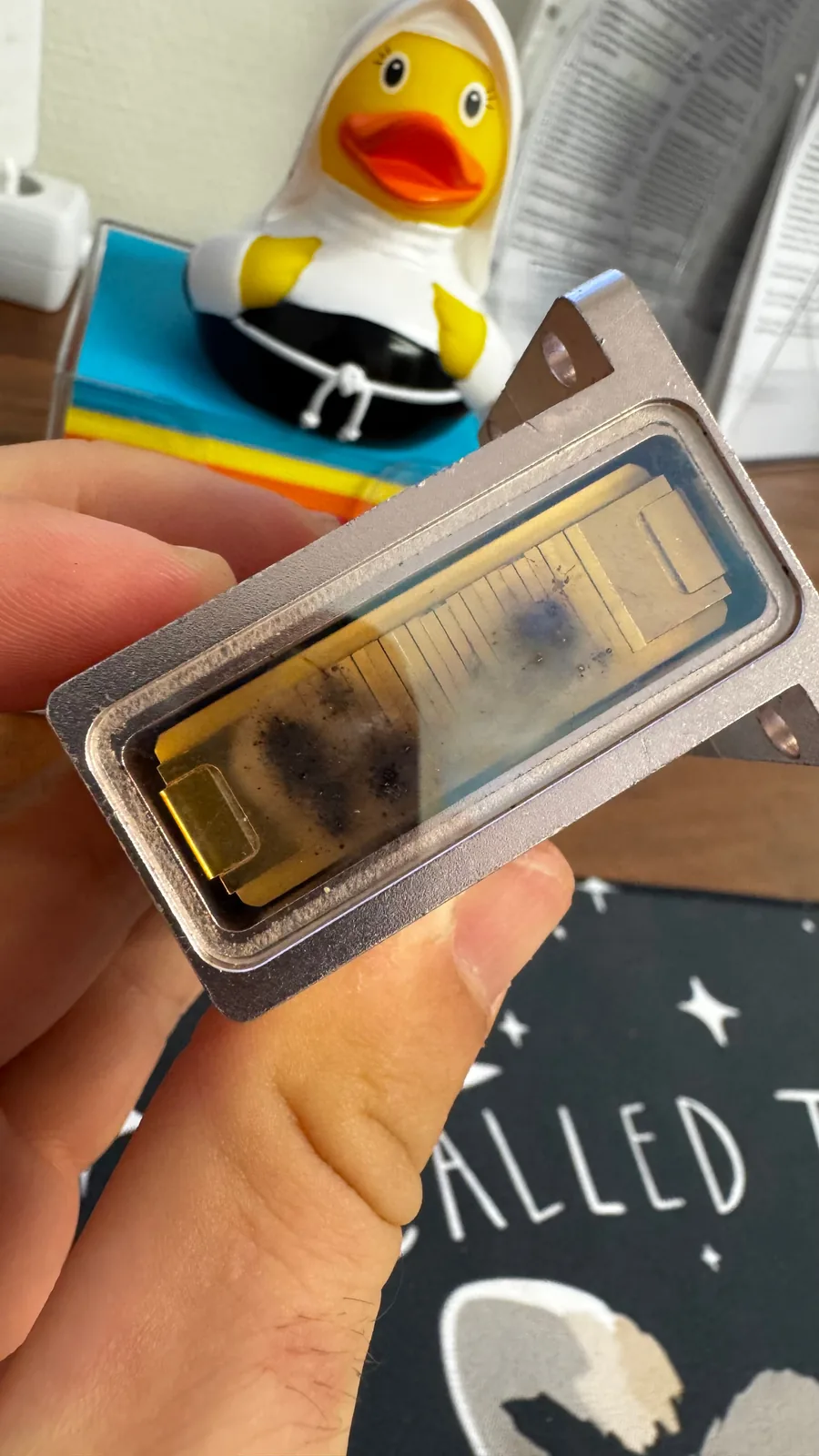
Diode failure has two costs: repair and downtime
Suppose diagnostics confirms serious module damage and the need for replacement.
First, the component must be identified precisely. A suitable module must then be found, ordered and delivered. Only then can installation, commissioning and device testing take place.
The laser may remain out of service throughout this period.
For a clinic with a full hair removal schedule, this creates business problems:
- appointments need rescheduling,
- clients need contacting,
- the schedule needs reorganising,
- some clients may cancel,
- the device stops generating income.
The actual cost of diode module failure is therefore more than the new part and labour.
It also includes losses on every day the device cannot perform treatments.
Scheduled servicing helps protect both the laser and clinic income
Regular professional laser maintenance should therefore not be viewed solely as another expense.
It also helps reduce the risk of unplanned downtime.
Servicing can include checks of:
- the cooling system,
- fluid flow,
- water circuit condition,
- watertightness,
- handpiece condition,
- optics,
- operating temperature,
- overall device operation.
If a check finds an irregularity, corrective work can be planned instead of waiting for the laser to stop itself.
Read more about prevention in: Scheduled diode laser maintenance – why it matters .
The diode module has already failed. What next?
Diagnostics should still be the first step.
It is necessary to establish not only that the module is damaged, but also why the damage occurred.
If the cause lies elsewhere in the device, replacing the module alone does not resolve the whole problem.
The new component may be exposed to the same unsuitable operating conditions.
Do not order a replacement module at random
If replacement is necessary, the next important step is selecting a suitable module.
Diode modules can differ in design, specifications, configuration, power, wavelengths and compatibility with the particular device.
Buying solely on appearance, price or a seller’s brief description can therefore prove a costly saving.
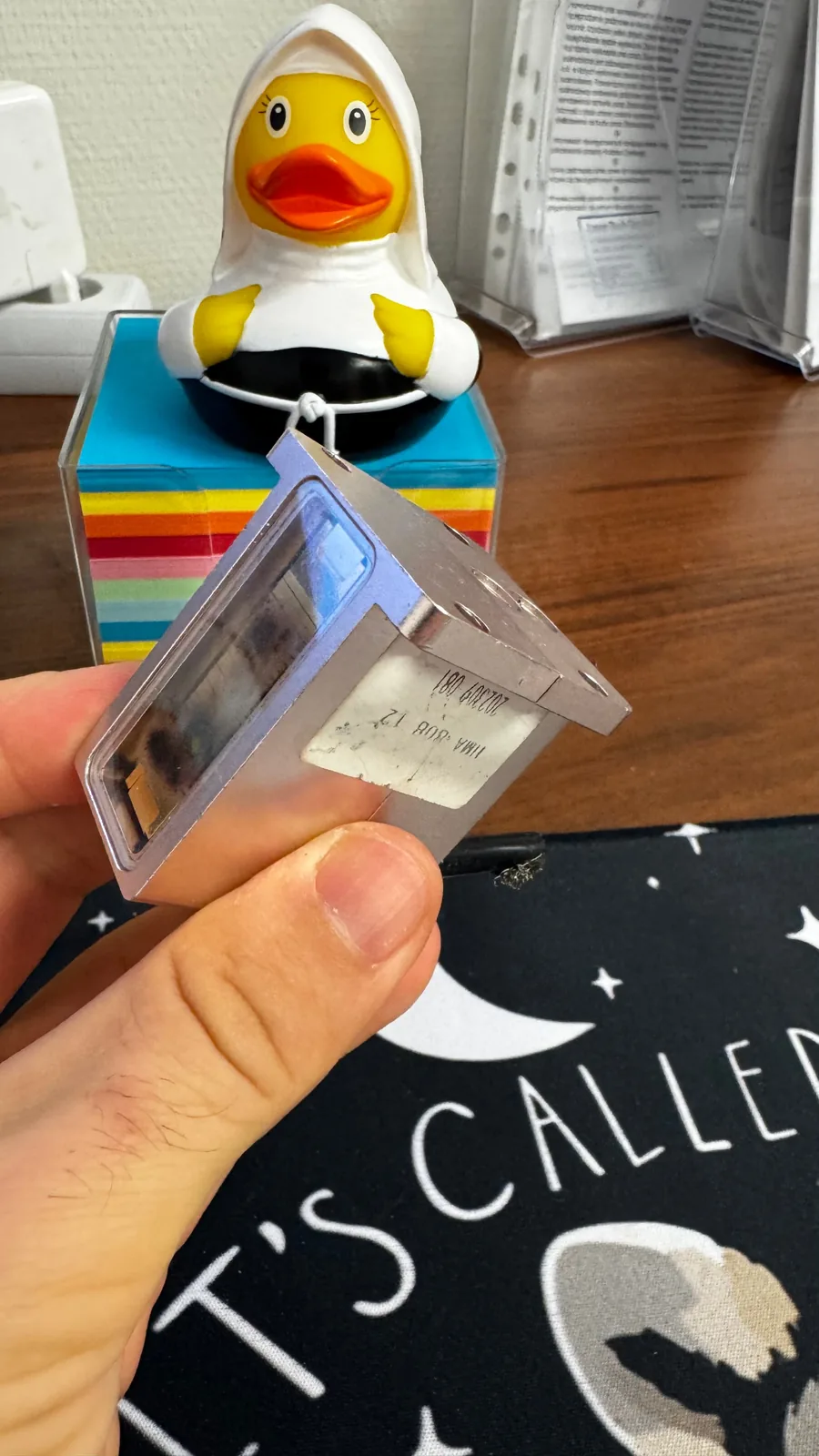
Why order a module through a professional service provider?
A clinic owner usually cannot assess a module’s actual quality from a photograph in a listing.
It may also be unclear whether the stated specifications match the component’s actual performance and whether it suits the device’s particular design.
A professional service team can identify the technical requirements, select a suitable component and, after delivery, install it and check device operation.
In practice, this may be less expensive and safer than buying an unsuitable or poor-quality module, installing it, removing it again and facing further laser downtime.
The least expensive failure is often the one avoided
In a professional clinic, aesthetic equipment is an investment intended to work and generate income.
Good servicing should therefore do more than respond after the device has stopped working completely.
If inspection can identify flow, cooling, sealing, optical or other problems early, it is worth doing so before they affect more expensive components.
Scheduled servicing can be arranged for a convenient time. A breakdown usually chooses its own.
Do not wait until the laser stops working
If the laser behaves differently, gets hotter, has cooling problems, produces different results or has simply not been serviced for a long time, its condition should be checked.
Laser Tech Service provides diagnostics, repairs and servicing for diode lasers and professional aesthetic equipment.
We are based in Wrocław and service equipment for clients throughout Poland.
Do you run a salon?
Leave your details. We will contact you to discuss your laser’s technical condition and the possibility of scheduled maintenance.
Frequently asked questions
Why can a hair removal laser diode module fail?
There are many possible causes, including cooling, fluid flow, overheating, optics, power supply or other components. Normal module wear is also possible. The cause of an individual failure must be established through diagnostics.
Does regular servicing prevent diode damage?
Regular servicing cannot be guaranteed to prevent every possible failure. It does, however, help detect technical problems that can worsen module operating conditions and increase the risk of damage.
Does a damaged module always need replacing?
Not every change in laser operation indicates module damage. Before ordering an expensive part, diagnostics should establish the actual cause of the problem.
Why avoid ordering the cheapest module yourself?
The module must meet the individual device’s technical requirements. Component quality can also be an issue. Professional selection reduces the risk of buying an unsuitable part and causing further downtime.
Is your laser already malfunctioning?
Contact us. Describe the symptoms or send a photograph or video. We will assess where diagnostics should begin.
Wrocław, 2026